
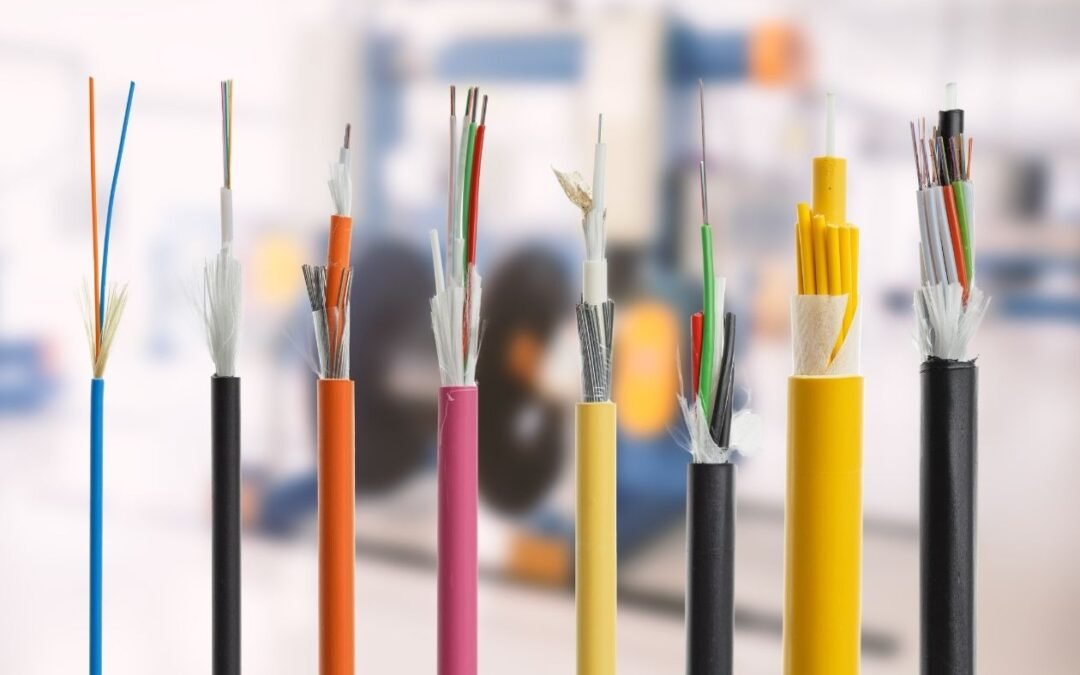
Modern electrical grid upgrades, subsea power connections, and telecommunications rollouts across the United Kingdom demand rigorous engineering standards during underground conduit installation. Cable pulling operations are inherently fraught with mechanical risks, particularly when navigating long duct runs, tight bend radii, and wet or damp conditions typical of British ground installations. For site engineers and field technicians, ensuring the structural integrity of high-voltage copper conductors or sensitive multi-strand optical fibers is a primary operational objective. A single installation failure can lead to costly signal degradation, insulation breakdown, or total cable replacement. Selecting the correct pulling tool—specifically evaluating a specialized cable pulling sock against traditional mechanical grips—plays a decisive role in protecting infrastructure assets from catastrophic damage during tensioning.
Understanding tension distribution mechanics
The primary mechanical difference between pulling socks and legacy clamping devices lies in how tensile force is transferred to the cable structure. Traditional mechanical grips rely on localized clamping force, concentrating hundreds of kilograms of pulling tension onto a small surface area at the very tip of the cable. This point-loading frequently deforms outer polyethylene jackets and pinches underlying conductors. Conversely, a cable pulling sock utilizes a variable-diamond open-mesh weave that contracts uniformly around the circumference of the cable as pulling tension increases. Known as the “Chinese finger trap” friction principle, this open-lattice design distributes pulling loads across a extended longitudinal surface area, drastically lowering stress concentrations and preserving the structural geometry of internal layers.
Protecting delicate fiber optic cores
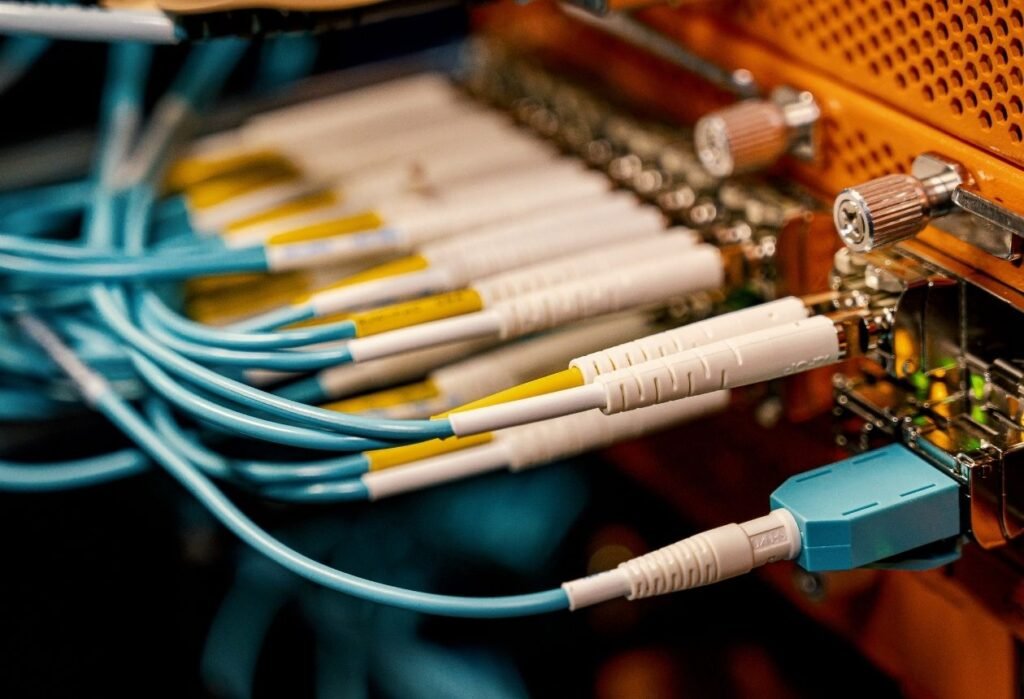
Fiber optic cables present unique installation challenges due to the fragile nature of their silica glass cores and tight micro-bend tolerances. Applying localized clamping pressure or uncontrolled tensile load using rigid mechanical grips often causes core micro-fractures, core-cladding displacement, or immediate glass breakage within the buffer tubes. Utilizing a cable pulling sock specifically designed for fiber optics mitigates these micro-bending stresses by holding the outer sheath smoothly and securely over several feet of contact length. This distributed grip prevents the delicate internal glass fibers from sliding relative to their protective buffers, ensuring light transmission parameters and attenuation thresholds comply with strict British Standard specifications upon installation completion.
Mitigating sheath deformation and moisture ingress
In humid or subterranean environments across Britain, maintaining the watertight seal of high-voltage and communication cables is vital to long-term reliability. Legacy bolt-on clamps often tear, gouge, or permanently stretch outer jackets, creating vulnerable entry paths for ground moisture and corrosive elements. When an engineered cable pulling sock is properly fitted and secured with friction tape or banding, it grips the cable outer wall without gouging into the protective sheath polymer. This uniform grip prevents outer jacket displacement—commonly referred to as “shucking”—and ensures the integrity of internal moisture barriers, overall preventing premature insulation breakdown and expensive post-installation repair work.
Operational efficiency and safety on british job sites
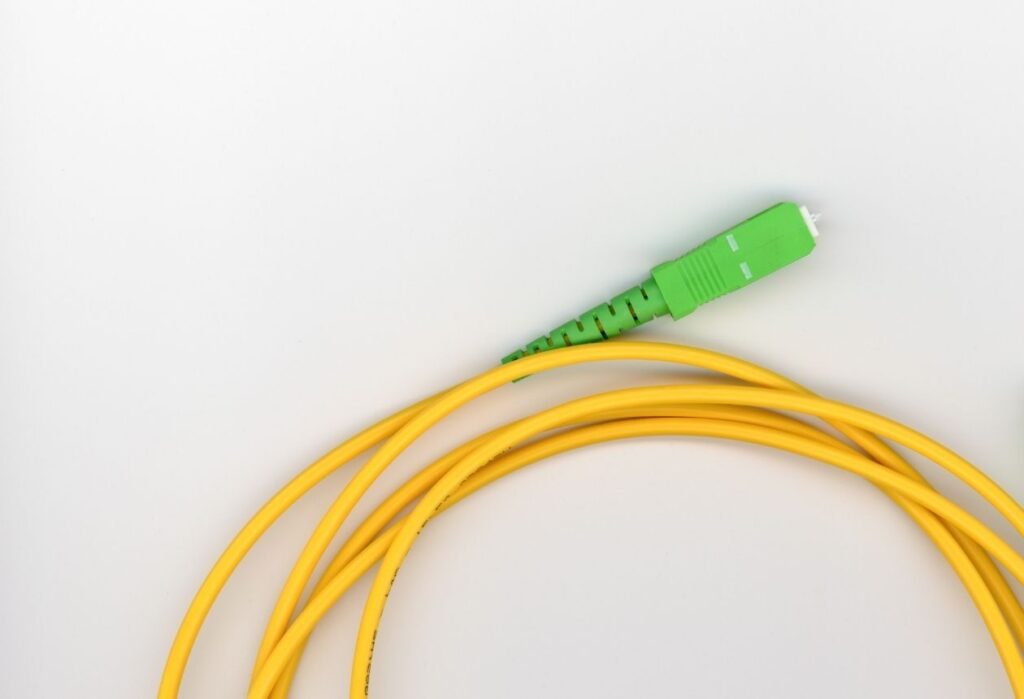
Beyond preventing physical damage to expensive cables, modern pulling sleeves significantly enhance job-site efficiency and operator safety compliant with UK Health and Safety Executive guidelines. Traditional mechanical clamps can be bulky, requiring heavy hand tools to secure, and often snag on duct joints, sharp bends, or tight conduit entries. A high-grade cable pulling sock features a low-profile, flexible steel or synthetic weave equipped with a smooth pulling eye that glides effortlessly through tight ducting curves and around sheaves. This streamlined profile minimizes friction against duct walls, reduces winch load demands, and facilitates rapid tool attachment and removal, allowing site crews to complete complex installations faster and with significantly lower operational risks.
Selecting the right grip solution for long-term integrity
Evaluating installation tools based on initial cost alone often leads to severe financial penalties caused by unexpected cable failure during trench backfilling or duct pulling. Choosing a high-performance cable pulling sock tailored to specific cable outer diameters, expected Working Load Limits, and environmental conditions guarantees maximum cable protection. By replacing point-load clamping systems with dynamic, friction-based mesh grips, network operators and electrical contractors safeguard sensitive internal conductors and optical fibers against micro-fractures, core slippage, and jacket tears. Investing in correct pulling hardware ensures long-term operational integrity and upholds rigorous engineering standards across power and telecom infrastructure projects.